Why Your Sourdough Isn't Opening Up (And How Hydration Fixes It)
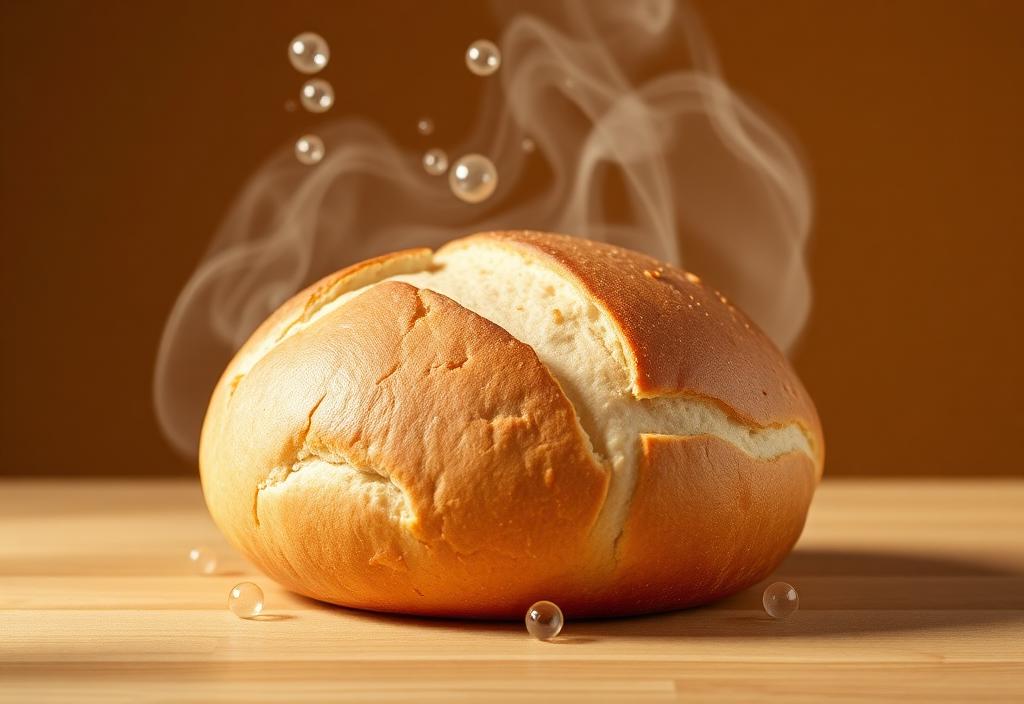
If your sourdough looks great on the outside but feels dense and gummy inside, the culprit is almost always hydration — not the starter you've been babysitting for months.
Hydration explained. Bakers' percentages measure water relative to flour. A 65% dough is stiff and easy to shape; an 85% dough is slack, sticky, and produces the wild, open crumb you see on Instagram. Most home recipes hover in the 70-75% zone, which is where the real learning happens.
Read the dough, not the recipe. Two bags of the same flour absorb water differently depending on protein content, milling, and even the season. A dough that felt perfect in January can feel sloppy in humid July. Trust your hands. A properly hydrated dough should feel tacky but release cleanly from a wet hand.
The bassinage technique. Hold back 5-10% of your water during autolyse and add it in stages during bulk. Your dough builds structure first, then relaxes into a higher final hydration than it could have handled up front. This single change moves most home bakers from 70% to a workable 80% overnight.
Fermentation matters just as much. High hydration without proper bulk fermentation gives you a soup, not a bread. Watch the dough for a 50-75% rise, visible bubbles at the edges of the container, and a slight dome. Time is a suggestion; the dough is the answer.
Shape wet, bake hot. Wet doughs need a floured couche or banneton and a very hot Dutch oven — 500°F preheated for at least 45 minutes. The steam trapped by the lid gives you the oven spring that creates that translucent, open crumb.