Brisket Fundamentals: Why Your Backyard BBQ Falls Apart at Hour Six
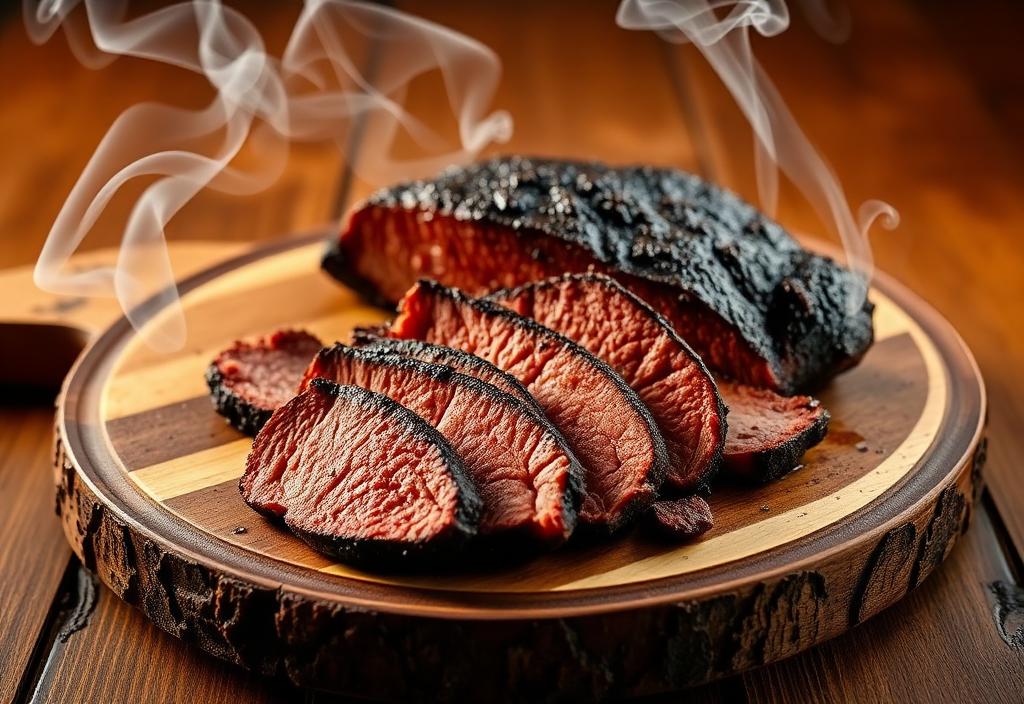
A 14-pound packer brisket costs $70 and takes 14 hours. Getting it right is one of the most satisfying things you can do in a backyard. Getting it wrong is one of the most expensive mistakes in home cooking. The difference isn't the smoker — it's understanding three moments.
The trim. Leave 1/4 inch of fat on the fat cap, nothing more. Trim aggressively on the meat side — every bit of hard fat and silverskin blocks smoke and seasoning. A well-trimmed brisket loses 1.5-2 pounds in trim. That's normal.
The rub. Central Texas style is salt and coarse black pepper, 50/50 by volume, applied heavily. That's it. Everything else — garlic, paprika, sugar — is a preference, not a requirement. Apply the night before if you can.
The stall. This is where 90% of home briskets die. Around internal temp 155-165°F, evaporative cooling from the meat surface causes the temperature to plateau for 3-4 hours. Panicked cooks crank the heat and dry the meat out.
The wrap. At 165°F internal, wrap tightly in pink butcher paper (breathable — preserves bark) or heavy foil (faster, softer bark). Return to the smoker at 250-275°F until internal reaches 203°F and a probe slides in like warm butter. That's the doneness cue — not time, not temperature alone.
The rest. This is non-negotiable. Wrapped brisket rests in a dry cooler for a minimum of 2 hours, ideally 4. The muscle fibers relax and reabsorb juices. Slice too early and everything you built for 14 hours pours out on the cutting board.
Slice against the grain. The grain changes direction between the flat and the point. Rotate as you cut. Pencil-thickness for the flat, cubes for the point (or turn them into burnt ends). Salt lightly before serving.